
ReAct Combat in Dungeon Picnic
Shared MN, Break extra turns, cooldowns, and why enemies get to ReAct too.
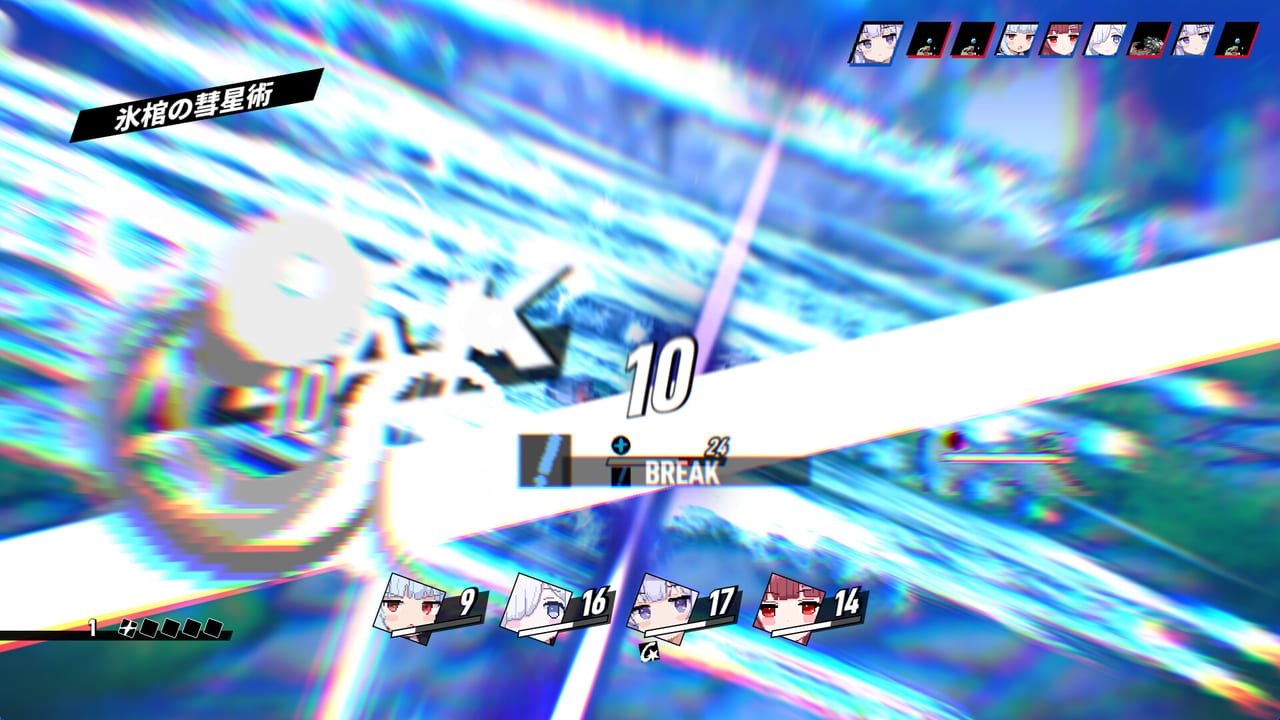
Dungeon Picnic combat is a command-RPG loop with one twist that reshapes every other decision: the party does not have four MP bars. Everyone drinks from a single Mana (MN) pool. You still pick a heroine, still pick a skill, and still watch speed and formation, but the cost is paid by the picnic as a whole. This page is the fight briefing for the limited demo’s first area. The product version remains to be announced; the rules below match what Lapismine has shown in the current build.
If you have not installed, start with Getting Started. If you are losing to greedy routes rather than to turn order, switch to exploration. Skill identities that are confirmed in screenshots belong here and on the skills ranking; names that are not listed are not invented.
Shared Mana is the real HP bar
Call it MN, not MP. A 1 MN Hellfire Comet from Astrologia and a 2 MN Heal All from Apothecary subtract from the same number. If you empty the pool to show off, the healer cannot pay for Counter Heal and the caster cannot pay for Binary Star. Starting Mana on the Level Up screen costs 3 Star Shards for a reason: it raises the shared tank that every skill drinks from. Character options cost 1. That economy is unpacked in party building.
A practical first-fight rule is to keep enough MN for one 2-cost heal after your 1-cost comets. Poison Injection at 1 MN is cheap pressure. Counter Heal at 2 MN, cooldown 6, hits all allies for Heal.ELM and 50% heal, so it is a planned spend, not a panic click. Lunar Eclipse at 1 MN is another low sip. Unlimited Meteor at 2 MN looks cheap until you read the rest of the card.
Break, ReAct, and the extra turn
Hit a weakness and you inflict Break. Break does four things at once. It grants an extra turn, called ReAct. It increases mana recovery. It reduces mana costs. And attacking a broken foe raises crit chance. That is why a Break is not just bonus damage; it is a mana-economy event. Astrologia’s official passive pushes the loop further by reducing cooldowns on Break, which makes the extra turn more likely to find a ready skill.
ReAct is not a player-only privilege. Enemies can ReAct too. If you leave a weakness exposed or fail to finish a broken target, the other side gets the same extra-turn language you wanted for yourself. Plan the extra action as a resource you must spend well, not as a cutscene. Use it to dump a cheap comet while costs are down, to crit a broken foe, or to pass through a follow-up that would have waited a round.
Combo skills matter because follow-ups and counters ignore ordinary turn order. They do not wait for the next slot in Formation. Apothecary’s Counter Heal is the clearest published example of a reaction that is paid in MN and cooldown rather than in queue position. If a counter is ready, the shared pool still has to afford it. A beautiful counter that you cannot pay for is a dead row on Set Skill.
Cooldowns, ready skills, and Unlimited Meteor
Every skill lives on a cooldown. The demo screenshots are explicit about the extreme case. Unlimited Meteor costs 2 MN, lists cooldown 12, targets random foes, is variable, deals 100% damage, and hits a number of times equal to the count of ready skills except those already at cooldown 0. After it resolves, it sets all skills on cooldown. That last line is the card. Meteor is a board reset, not a default opener.
If you fire Meteor while the picnic still needed Counter Heal, Heal All, Blizzard Comet, or Poison Injection, you have bought a burst and sold the next several actions. Use it when many skills are ready (so the hit count is real) and when you can survive the empty board that follows. Stellar Exploit shows an infinity icon on Astrologia’s list; treat it as a special-case tool, not as a second Meteor. Hellfire Comet, Blizzard Comet, and Binary Star at 1 MN each are the workhorses that feed Breaks without emptying the tank.
Kannagi and Aries Knight do not have published skill names in the material this wiki is allowed to use. Kannagi’s identity is a mystical-clan shrine maiden with a purification wooden sword against evil gods. Aries Knight’s identity is the maid-knight look from press coverage. Their contribution in a demo fight is still paid from shared MN and still lives on cooldowns. Put them in Formation where their speed supports the Break you already planned, and keep their Set Skill rows filled with whatever the Level Up screen actually offered.
Crits on broken foes, formation, and enemy pressure
Once a target is broken, attacking it raises crit. Crit DMG on shown status screens sits at 50% with a 5% base crit rate, which means Break-driven crit is a combat plan, not a lottery ticket you mention later. Spend the ReAct turn on the broken foe when you want the spike; spend it on a second weakness if you need another Break to refill MN. Do not auto-pilot the extra turn into a random living enemy that is not broken.
Formation decides who is standing in front of that choice. Speed stats on roster pages already hint at the range: Harvester shows SPD 98 at level 1, Samurai shows SPD 135 plus First Star Fragment’s SPD +25% and the line that the wearer can act first when battle begins. Those two are not extra demo party members, but they teach you to read speed as a ReAct enabler. A first action that inflicts Break pays the whole picnic. A first action that wastes 2 MN on a heal nobody needed taxes everyone.
Harvester’s published fantasy is grim-reaper work: harvest HP from enemies, spend ally HP for strong skills, and use Mercy Scythe to execute low-HP foes. That is a different resource axis from MN. If you later mix HP spend with a shared mana pool, the wipe condition arrives from two directions. For the demo four, stay MN-literate first.
A fight script you can reuse
Open by probing with a 1 MN comet or Poison Injection. If Break lands, take the ReAct: attack the broken foe for the crit, or land a second weakness if recovery is the emergency. Keep 2 MN in reserve for Counter Heal or Heal All. Watch enemy ReAct tells the same way you watch your own extra turn. Only tap Unlimited Meteor when the ready-skill count is high and the next cooldown desert is acceptable. After combat, check the Level Up screen before you tap a SHARD 03 row out of habit.
Input details live in the controls guide. Demo policy, including no save transfer, lives in the demo guide. Early opinions on who enables Breaks live on the character ranking. The guides hub routes the rest. The limited demo started 6 September 2026; Steam Next Fest from 19 October 2026 is a second look, not a new combat rulebook.
Keep a tiny MN ledger in your head after every picnic: spent, recovered on Break, stolen by a Meteor you did not need. That ledger is more useful than a damage screenshot. Unlimited Meteor will always look like a finisher on the card; in this system it is a panic button that also locks the rest of the picnic’s kit, so log it as a reset and only press it when you meant to empty the board.
Frequently Asked Questions
Quick answers for demo runs, ReAct combat, and party building.
What is ReAct in Dungeon Picnic?
ReAct is the extra turn you gain when you Break a weakness. Break also boosts mana recovery, lowers mana costs, and raises crit on that broken foe. Enemies can ReAct as well. The full loop is this combat guide; party spend is covered in party building.
Why is there no per-character MP?
The party shares one Mana (MN) pool. Astrologia's 1 MN comets and Apothecary's 2 MN heals draw from the same tank. Raise the tank with Starting Mana on Level Up, and read costs on each character page.
When should I use Unlimited Meteor?
When many skills are ready, because hit count equals ready skills except cooldown 0, and only when you can survive setting all skills on cooldown afterward. It costs 2 MN with cooldown 12. Compare options on the skills ranking.
Do combo follow-ups wait for turn order?
No. Follow-ups and counters ignore ordinary turn order, but they still cost MN and still sit on cooldowns. Counter Heal is the published all-ally example. Keep the pool funded via Getting Started habits.
Can enemies Break me back?
They can ReAct. Play as if the extra-turn rule is symmetrical. Formation and speed still matter; see party building and the character ranking for who should move first.